
Where to travel to avoid overtourism – 6 Atlantic destinations that will welcome you
Share:
Let’s face it—some of the world’s most iconic travel spots are getting a little fed up with us.
The Louvre in Paris just shut its doors for a day because the staff couldn’t keep up with the crowds. Last year, we visited Barcelona and just missed by a month or two protesters spraying tourists with water pistols to make their point.
From Barcelona to Budapest, locals are saying the same thing: enough is enough.
The message? Too many people. Not enough respect. And not enough left for the people who live there.
But what can we do about it? Keep reading and I’ll share where to travel to avoid overtourism.
The good news is that you can still travel, still explore, and still enjoy your vacation without being part of the problem.
In fact, there are places right now that would love to see you coming: places that aren’t overwhelmed by tourists. These are communities where tourism isn’t causing tension—instead it’s creating jobs, rebuilding local economies, and helping people stay rooted in the places they call home.
All photos by Derek Cadzow and Jacqueline Weatherly-Cadzow, except where noted.
What is overtourism—and why are people so frustrated?
It’s simple really. Overtourism happens when too many people show up in one place at the same time, overwhelming the local infrastructure, the environment, and the people who live there.
- Prices go up—for food, housing, water, and electricity.
- Locals get pushed out—by short-term rentals, noise, and congestion.
- Tourists suffer too—museums close, streets flood with crowds, and the magic disappears.
And it’s not just a vacation problem. It’s a livelihood problem.
For people in places like Barcelona, Majorca, or even parts of the U.S., overtourism isn’t just annoying—it’s exhausting. And when your rent goes up because your neighbours keep moving out to make way for vacation rentals? That’s when the resentment kicks in.
Throw in a few hundred thousand social media posts telling everyone to go to the exact same beach, cathedral, or lookout point, and… well, here we are.
So what can I do about overtourism?
You don’t need to cancel your trips or stop seeing the world, but you can make better choices.
Travel off-season
You could travel in the spring or fall. Not only will you avoid overtourism and all the crowds, but you’ll also ease the pressure on local resources. That’s what we did on our recent trips to Madrid, Barcelona, and the Scottish Highlands—April and May were quiet, beautiful, and relaxed.
Where to travel to avoid overtourism: just go where you’re needed
Yes, there are still beautiful places in the world that welcome tourists.
These are communities where tourism isn’t causing tension. instead, it’s creating jobs, rebuilding local economies, and helping people stay rooted in the places they call home. In these destinations, tourism isn’t a burden. It’s a lifeline.
We’ve done homework for you and put together this list of Atlantic destinations that are still happy to welcome tourists—places where you can enjoy being a tourist while you help locals build their futures.
Where to travel to avoid overtourism in 2025?
Here are 6 destinations that still welcome thoughtful travelers:
- Western North Carolina, USA
- The Acadian shores, Nova Scotia & New Brunswick
- Nuuk, Greenland
- The Faroe Islands
- The Azores
- Cape Verde (Cabo Verde)
1. Western North Carolina, USA
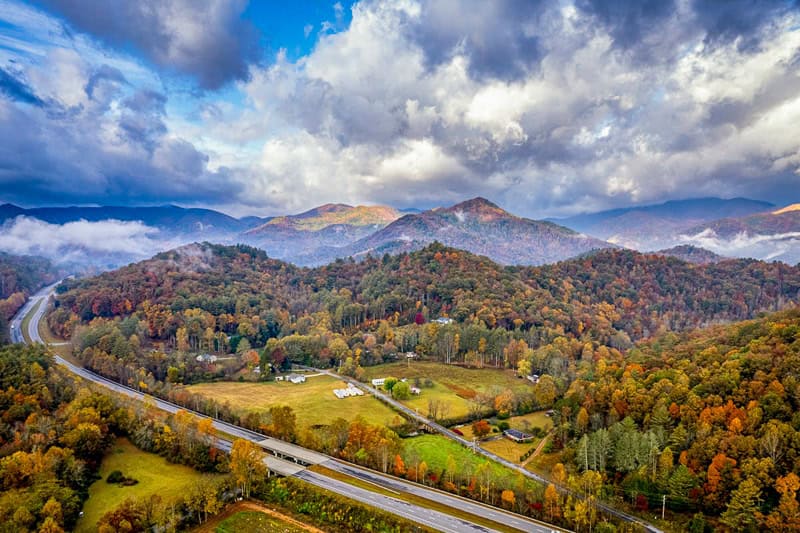
Photo by Mark Stebnicki
If you’ve ever driven the Blue Ridge Parkway or hiked in the Great Smoky Mountains National Park, you know the kind of magic Western North Carolina has to offer.
But what you might not know is that this region is still recovering from Hurricane Helene, which tore through the area last year—damaging infrastructure, closing businesses, and disrupting the steady flow of tourism on which so many of the local communities rely.
Now, all counties are open again and welcoming visitors for a refreshing summertime visit in one of the state’s cool mountain towns.
This part of the country doesn’t get flashy press. It doesn’t have gondolas or palaces. But, it does have plenty of lakes for boating and kayaking, beautiful Appalachian Mountain vistas and sunsets, artisans with a unique Appalachian flavor, the Biltmore Estate, and much more.
But mostly, it’s got heart. It’s got character. And it’s got small towns full of people who could use a boost right now—especially from folks looking for a peaceful, enjoyable vacation and who want to travel with intention.
Things to do
- Drive the Blue Ridge Parkway, especially in fall.
- Explore small towns like Waynesville, Blowing Rock, and Bryson City.
- Hike to waterfalls in Pisgah National Forest.
- A hub for some of North Carolina’s finest artists.
- Explore your Scottishness at the Grandfather Mountain Highland Games.
- Freshwater lake boating and kayaking.
- Sample farm-to-table meals in Asheville.
- Catch local music, heritage festivals, and craft fairs.
Why it matters
Tourism is a key income stream in this part of the state. When hurricanes hit, it’s not just homes and roads that get washed out—it’s whole seasons of bookings.
A fall leaf-viewing trip, a mountain hiking weekend, or just a long drive through small-town North Carolina can make a meaningful difference to restaurants, inns, tour guides, and local artists still making their way back to a full life.
This is slow travel at its best. No rush. No pressure. Just real people, beautiful places, and a chance to enjoy yourself and put your travel dollars to work in a region that actually needs them.
2. The Acadian shores, Nova Scotia & New Brunswick
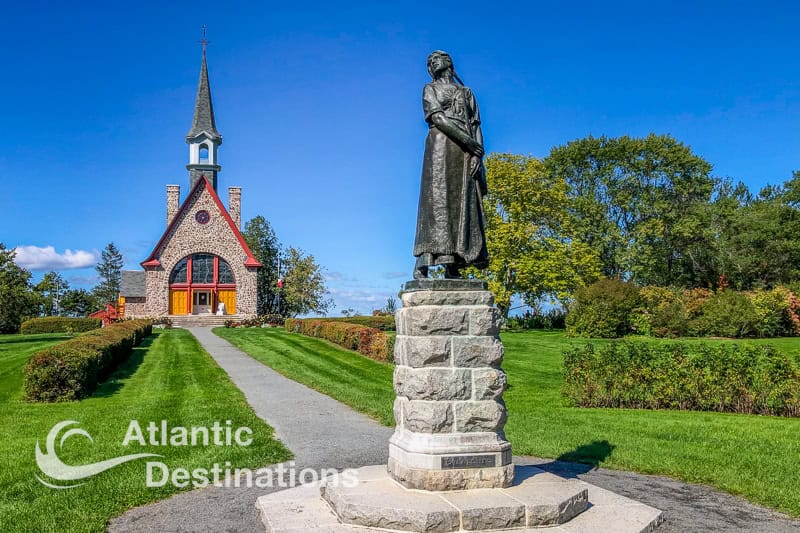
If you love coastal charm, rich traditions, fascinating history, and warm hospitality, the Acadian Shores are calling. Stretching across southwestern Nova Scotia into northern New Brunswick, this region is built around Acadian heritage—and locals are inviting travelers to come and explore more deeply.
Who are the Acadians?
Acadian culture traces back to French settlers who colonized parts of present-day Nova Scotia and New Brunswick in the early 1600s. Despite facing forced deportation by the British in the 18th century, many Acadians returned, preserving the language, music, food, and deep-rooted traditions that still thrive today along the Bay of Fundy and the Atlantic coast.
Authentic travel experiences
The Yarmouth & Acadian Shores Tourism Association (YASTA) is actively promoting the region—offering cultural road‑trip itineraries, bilingual festivals, stargazing nights, farm markets and seafood experiences—all highlighting the Acadian story and supporting small communities. They’re looking for travellers who want authentic experiences, and whose presence helps preserve culture and sustain the local economy.
What to do there
- Drive the Acadian Coastal Road Trip through Argyle and Clare
- Visit Le Pays de la Sagouine in Bouctouche or the Pubnico Acadian Museum
- Enjoy live music and home‑style cooking at Acadian festivals (August–September)
- Stargaze under remarkably dark skies around Yarmouth
- Sample fresh seafood at coastal markets in Shediac or Yarmouth
Why it matters
Overnight stays in the region rose by over 50 per cent in 2022, making it one of the fastest‑growing tourism areas in Nova Scotia. These aren’t cruise-ship crowds—they’re community-minded visitors whose spending stays local, supporting tourist guides, artisans and family-run inns while preserving Acadian traditions.
3. Nuuk, Greenland

Photo by Stephen Leonardi
Yes—Greenland. The place with the icebergs, the fjords, and more silence than your average meditation app. For years, it’s been on the fringe of travel wish lists, partly because it was so hard to reach. But that’s starting to change—and fast.
In 2025, United Airlines has direct flights from several major US cities to Nuuk, making it easier than ever to get to Greenland’s capital without hopping through Copenhagen. That new access isn’t just good for tourists—it’s part of Greenland’s bigger plan to grow its economy beyond fishing and mining, with tourism as an important pillar of sustainable development.
Greenland’s tourism strategy is grounded in local ownership, environmental safeguards, and community-first values. That means your visit is more than just an adventure—it’s a way to support an emerging economy and a culture fighting to stay intact as the climate and world change around it.
What to do there:
- Explore the colourful capital of Nuuk, where Inuit culture meets modern life
- Take a boat tour among icebergs in Nuup Kangerlua fjord (I’ve seen that, it’s amazing!)
- Visit the Greenland National Museum or the Katuaq cultural centre
- Hike beyond the Arctic Circle or stay in remote settlements like Ilulissat
- Try traditional foods (yes, you’ll see reindeer and musk ox on the menu)
Why it matters:
Greenland doesn’t want a flood of tourists—it wants travellers who care, who respect the land, the pace, and the people. By visiting now, while tourism is still small and values-driven, you’re helping shape a sustainable model that could help protect this Arctic frontier for generations to come.
It’s one of the rare places left in the world where you can still feel like an explorer—and know that your presence is appreciated.
4. The Faroe Islands
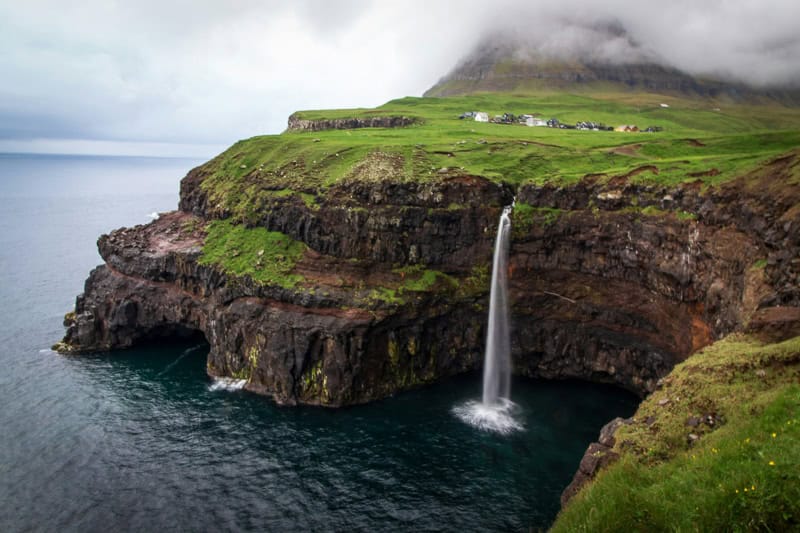
Photo by Tomáš Malík
A dramatic archipelago of steep cliffs, green valleys and North Atlantic surf, the Faroe Islands draw fewer crowds than Copenhagen or Paris—but they’re not quiet about how they want tourism to grow.
What they’re doing
Since 2019, Visit Faroe Islands has run the annual “Closed for Maintenance, Open for Voluntourism” program, where popular sites close for a weekend and only ~80 volunteer travellers are invited to help repair trails, build boardwalks and install signage. The message is clear: they want visitors—but also care deeply about protecting fragile landscapes.
What to do there
- Hike dramatic cliffs and puffin colonies
- Visit traditional villages and learn about Faroese food, music and storytelling
- Take local guided hikes on sheep‑farmer–run outings with home‑cooked meals
- Take part in a trail‑fixing weekend (applications open in January)
Why it matters
Tourism doubled in a decade, reaching 130,000 arrivals in 2023, nearly three times the local population. That growth contributes about €125 million to GDP (6%), yet residents still report strong support (95%) for more tourism—if it’s responsible. The voluntourism initiative both preserves the landscape and builds community ownership.
5. The Azores
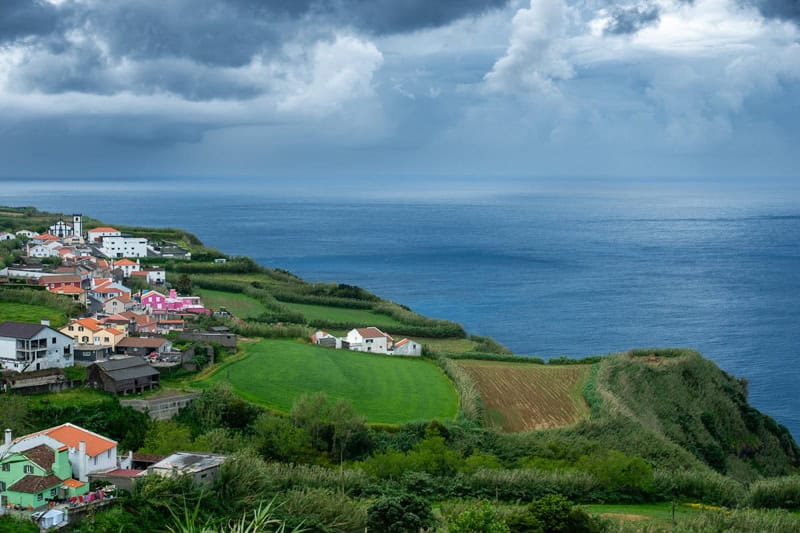
Photo by Regimantas Danys
Looking for Portugal without the crowds? Head west—way west (870 mi/1400 km)—out into the Atlantic, where the Azores offer volcanic peaks, lush forests, crater lakes, and coastlines that still feel largely undiscovered.
This amazing destination has won the award for world’s best adventure destination two years in a row!
While Lisbon and other Spanish cities are straining under the weight of overtourism, the Azores are taking a more measured path. Regional leaders are actively building eco-tourism into their development strategy—encouraging low-impact, nature-first travel that helps rural communities thrive without sacrificing the island chain’s stunning biodiversity.
And it’s working. Visitor numbers are up but here, the tone seems different. You’re more likely to share a geothermal pool with locals than elbow through a bus tour. And your euros stretch further—directly into family-run guesthouses, organic farms, and community-based tour outfits.
What to do there:
- Hike around Sete Cidades and swim in Furnas hot springs
- Go whale watching off Pico Island—a global marine sanctuary
- Sip Azorean wine, grown on volcanic soil and cooled by ocean breezes
- Visit lesser-known islands like Flores and São Jorge for a slower pace
Why it matters:
The Azores represent a success story in balancing tourism with sustainability. Local governments have capped cruise ship visits, supported land conservation, and invested in clean energy to power tourism’s growth.
Your visit fuels jobs in farming, fishing, and hospitality—especially on islands where emigration has thinned populations. When you choose the Azores, you’re helping keep local life vibrant and viable.
6. Cape Verde (Cabo Verde)

Photo by Thomas Schwaak
If you’re dreaming of sun, music, and culture with a laid-back Atlantic vibe, Cape Verde might just be your next best discovery. This island nation—about 400 mi/644 km off the coast of West Africa—has long welcomed travelers seeking something different: Creole rhythms, volcanic landscapes, and a slow, soulful pace that’s hard to find anywhere else.
But tourism here isn’t just a luxury—it’s a lifeline. Roughly 25% of Cape Verde’s gross domestic product (GDP) depends on it, and while the islands saw a rebound after the pandemic, many communities outside the resort zones are still waiting for that comeback to reach them.
The government has been actively courting responsible travelers, investing in local guides, cultural preservation, and sustainable infrastructure. In places like São Vicente and Santiago, you’ll find music festivals, historic towns, and Afro-Portuguese traditions that tourists rarely see—yet locals are eager to share.
What to do there:
- Dance your way through Mindelo’s music scene, birthplace of Cesária Évora
- Hike volcanic ridges on Fogo Island and sip local wine from its crater
- Explore the capital, Praia, and learn about the islands’ role in Atlantic trade history
- Visit coastal villages where fishing, not tourism, still drives the daily rhythm
Why it matters:
By stepping beyond the all-inclusive resorts of Sal or Boa Vista, you’ll support artisans, farmers, and families working to build a more resilient economy. Cape Verde wants visitors—but not just sun-seekers. They’re looking for travelers who are curious, open-hearted, and ready to go just a little further for the real experience.
How to travel more responsibly
- Support local, not global
Book with locally owned hotels, restaurants, and guides whenever possible. Your money goes further—and stays where it matters. - Travel light, tread lightly
Pack what you need, take only what you brought, and leave no trace behind. That includes garbage, plastic bottles, and leaving the “cool rocks” where you found them! - Slow down and stay a while
Quick stopovers don’t do much for a local economy. If you can, linger. Stay overnight in small towns or less-traveled islands. - Ask before you snap
Respect privacy and people’s space. Not everyone wants to be part of your vacation social media reel. - Off-season is on point
Avoid peak seasons if you can. You’ll ease the burden on infrastructure, enjoy a calmer vibe, and still see what makes a place special. - Be curious—and humble
Listen. Learn. Ask questions. Responsible travel means entering someone else’s world with interest, not assumptions. - Look for community-backed programs
Whether it’s volunteering in the Faroes or joining a co-op farm tour in North Carolina, seek out experiences that are designed with locals, not just for tourists.
Why responsible travel is worth it
Let’s be honest—not everyone’s looking for this kind of trip. If your dream vacation is all-inclusive drinks and poolside downtime, no judgment—but this probably isn’t it.
But if you’re someone who wants something real—something with meaning—this kind of travel can change the game.
When you travel with intention, you’re not just passing through. You’re part of the story. You’ll meet the people who live there. Eat food that comes from family kitchens. Walk trails someone built by hand—and in some places, maybe even help restore them.
Responsible travel rewards curiosity. It’s for folks who ask questions, who want to understand how a place works, not just what it looks like in photos. What you get in return isn’t just another view—it’s connection.
And that connection? It lasts. It’s the look from a vendor when you buy something they made themselves. It’s the quiet moment on a back street where no tour bus ever goes.
These are the things you bring home with you—the ones that matter long after the trip ends.
Frequently asked questions (FAQs)
What is overtourism, and why is it a problem?
Overtourism happens when too many travellers visit the same place at once. It puts pressure on housing, infrastructure, and local communities—leading to frustration, closures, and rising prices.
Where can I travel to avoid overtourism in 2025?
Where to travel to avoid overtourism: try destinations that are actively welcoming responsible visitors—places like Greenland, the Faroe Islands, the Azores, and parts of Western North Carolina. These places benefit from tourism without being overrun by it.
What does it mean to be a responsible traveller?
It means making travel choices that support communities, local people, and help preserve their environment. That includes:
– Traveling in the off-season
– Staying with local hosts
– Leaving no trace
– Respecting culture and pace
How can I tell if a destination is suffering from overtourism?
Signs include crowded streets, local protests, closures of popular attractions, and rising housing costs blamed on vacation rentals. If the headlines say “locals fed up with tourists,” it’s probably time to look elsewhere.
Isn’t it better to visit famous places early in the morning or off-season instead of avoiding overtourism completely?
Yes, that helps. Going during shoulder seasons or on weekdays can ease your impact. But if a place is already struggling, choosing an alternative destination can be an even better way to travel responsibly.
How do I know if a place actually wants tourists?
Look for signs: local tourism boards promoting visits, infrastructure investments, or community-led programs. If a place is encouraging travel in the off-season or launching new tours, it’s often a good indication they’re ready—and appreciative.
Conclusion: find a fun destination that helps local people
Travel doesn’t have to be fast, crowded, or disconnected. Sometimes, the most meaningful journeys come from slowing down—going somewhere that’s not just beautiful, but grateful to have you there.
The destinations we’ve shared aren’t just looking for tourists. They’re looking for thoughtful travelers—the kind who show up with curiosity, care, and a willingness to give something back.
So if you’ve been wondering where to travel to avoid overtourism, this list is your answer. These are places where you’re welcome. Where your presence makes a difference. Where your trip doesn’t just take—it gives.
And that, we think, is the kind of travel adventure that stays with you for a long, long time.
Plan your trip with our favorite resources
- #1 online accommodations booking platform. Booking.com
- Global guided tours with reviews: Viator
- Find, compare, and rent cars: DiscoverCars
- Buy travel insurance: SafetyWing
Thanks for joining us on this new adventure! Got a question or a comment? Go to the contact page and send a message using the form.